 Industrials Limited
Mar 02, 2026
Steel Mezzanine Systems vs Modular Mezzanines: Which Is Right for You?
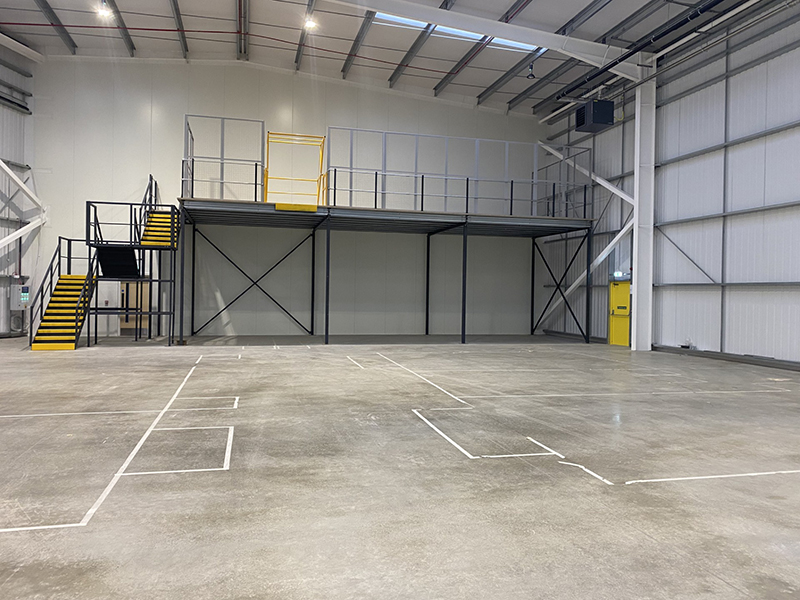
Comparing steel mezzanine systems and modular mezzanines for warehouses and offices. Discover which mezzanine floor suits your space, load and growth plans.
As warehouse space tightens and commercial property costs continue to rise, many businesses are looking upward rather than outward. Mezzanine floors offer a practical way to maximise existing floor space, creating additional storage, production areas, or office environments without relocating. When planning a new installation, one of the most common decisions is whether to choose a fully engineered steel mezzanine floor or opt for modular mezzanine systems. While both solutions create valuable additional space, they differ in structure, flexibility, and long-term application. Understanding those differences is key to choosing the right system for your warehouse or office environment.
What Is a Steel Mezzanine Floor?
A steel mezzanine floor is a structural platform built using steel columns and beams, designed specifically for a particular building and load requirement. These systems are engineered to integrate with the existing structure and are often considered a permanent addition to the facility. In warehouse environments, a warehouse mezzanine typically supports heavy pallet storage, machinery, racking systems, or high foot traffic. In office settings, steel mezzanine systems can form enclosed offices, meeting rooms, or supervisory areas positioned above operational floor space.
Because they are bespoke in design, industrial mezzanine floors can be tailored to suit specific column spacing, access requirements, fire regulations, and load capacities. This makes them particularly suitable for facilities where strength, compliance, and longevity are priorities.
What Are Modular Mezzanine Systems?
Modular mezzanine systems, by contrast, use pre-engineered components that are assembled on site. Rather than being fully bespoke structural builds, they are designed around standardised sections that can be configured to suit a range of layouts. These systems are often chosen where flexibility is important. Businesses expecting to expand, reconfigure, or relocate may favour modular mezzanines because they can be adapted more easily than a fixed steel mezzanine floor. While modular systems remain robust and compliant, they are typically more suited to light or medium-duty applications, such as archive storage, light goods storage, or office mezzanine floors in smaller commercial units.
Load Capacity and Structural Strength
One of the primary differences between a steel mezzanine floor and modular mezzanine systems is load capability. An industrial mezzanine floor built from structural steel is designed to accommodate significant weight. This includes heavy palletised goods, integrated conveyor systems, plant equipment, or dense storage racking. Load calculations are carried out during the design phase to ensure the structure performs safely under operational conditions. Modular mezzanines, although durable, are usually engineered for more moderate loads. For many office mezzanine floors or light warehouse applications, this is entirely sufficient. However, where heavy-duty performance is essential, a bespoke steel mezzanine floor is generally the more appropriate solution.
Permanence vs Flexibility
Another key consideration is how permanent the installation needs to be. Steel mezzanine systems are typically installed as long-term structural additions. They are designed to integrate seamlessly with the building, often forming part of wider refurbishment or expansion works. For businesses confident in their layout and long-term growth plans, this permanence offers reassurance and durability. Modular mezzanine systems, on the other hand, provide greater adaptability. If a business anticipates layout changes, seasonal space adjustments, or future relocation, a modular approach can offer practical flexibility. Sections can sometimes be extended or reconfigured more easily than a fully bespoke industrial mezzanine floor.
Installation and Disruption
Installation timelines also influence decision-making. Because modular mezzanine systems use pre-designed components, they can often be installed more quickly. This can minimise disruption in active warehouse environments where downtime must be kept to a minimum. A steel mezzanine floor requires detailed design, fabrication, and structural installation. While this process may take longer, it delivers a solution tailored precisely to the operational demands of the building. For many warehouse mezzanine projects, that additional design stage is what ensures optimal column placement, efficient workflow, and full regulatory compliance.
Application in Warehouse and Office Environments
In warehouse settings, mezzanine floors are commonly used to double storage capacity, create pick-and-pack areas, or introduce dedicated zones for specialist stock. Where operations involve forklifts, heavy stock, or integrated materials handling systems, a steel mezzanine floor is often the preferred option due to its strength and durability. In office environments, the choice can be more balanced. Office mezzanine floors generally require lower load capacities than industrial applications. If the goal is to create additional workspace within a commercial unit, modular mezzanine systems may provide a cost-effective and flexible solution. However, where acoustic treatment, fire protection, or a fully integrated finish is required, steel mezzanine systems may offer greater design control.
Compliance and Professional Design
Regardless of the system selected, mezzanine floors must meet building regulations, fire safety standards, and structural requirements. Load calculations, staircase access, handrails, and fire protection measures all need careful consideration. Working with experienced steel mezzanine manufacturers ensures that both warehouse mezzanine and office mezzanine floors are designed with compliance in mind from the outset. Professional assessment of the existing structure is particularly important when installing an industrial mezzanine floor, as column loading and slab capacity must be verified before installation.
Choosing the Right Mezzanine for Your Business
The decision between steel mezzanine systems and modular mezzanines ultimately depends on how the space will be used, how long it will remain in place, and how much structural strength is required. If your project demands high load capacity, long-term durability, and a fully tailored design, a steel mezzanine floor is likely the right investment. If flexibility, faster installation, and moderate load performance are your priority, modular mezzanine systems may provide the solution. By carefully assessing operational needs and future growth plans, businesses can ensure their mezzanine floors deliver efficient, compliant, and scalable space within both warehouse and office environments.