 Industrials Limited
Jun 16, 2026
What Is Anti Collapse Partitioning and Why Is It Needed?
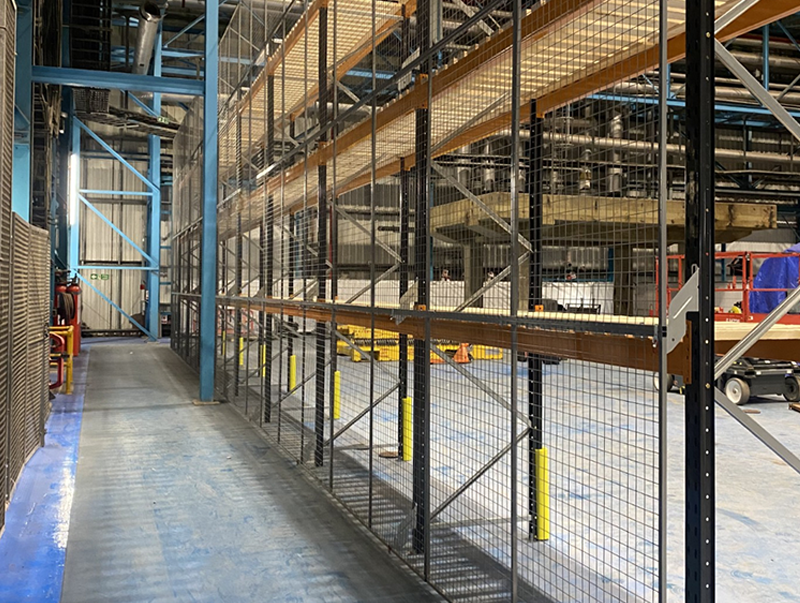
In busy warehouse and industrial environments, safety is always a priority. Pallet racking, storage areas, and operational spaces all need to be planned carefully to reduce the risk of accidents, protect staff, and keep goods secure.
One important safety measure is anti collapse partitioning. These systems are designed to help prevent goods, boxes, or pallets from falling into walkways, work areas, or other parts of the warehouse. For businesses that rely on palletised storage, anti collapse panels can provide a practical barrier between stored goods and the people or equipment moving around them.
What Is Anti Collapse Partitioning?
Anti collapse partitioning is a protective barrier system used in warehouses, factories, and industrial units to help contain goods if they shift, fall, or collapse from storage areas. It is commonly installed behind or around pallet racking, particularly where goods are stored at height or close to pedestrian routes, working areas, or machinery. The aim is to reduce the risk of a pallet collapse causing injury or property damage.
Anti collapse panels are usually made from strong mesh or steel materials, allowing visibility and airflow while still creating a physical barrier. This makes them well suited to warehouses where teams need to see stock clearly, maintain ventilation and keep storage areas accessible.
Why Is Anti Collapse Partitioning Needed?
Warehouses are constantly changing environments. Pallets are moved, loaded, unloaded and replaced throughout the day. Even with solid handling procedures, goods can shift over time, especially if pallets are damaged, unevenly loaded, or stored at height.
Anti collapse partitioning helps create an additional layer of protection. If items fall from racking, the partitioning can help prevent them from dropping into areas where people, vehicles, or equipment may be present.
This can be especially important in areas such as:
- Warehouse aisles
- Pedestrian walkways
- Picking and packing areas
- Loading bays
- Production areas
- Storage zones near machinery
- Mezzanine or raised storage areas
- Racking positioned close to offices or welfare spaces
The Risk of Pallet Collapse
Pallet collapse can happen for several reasons. A pallet may be overloaded, poorly wrapped, damaged, or incorrectly placed on racking. In some cases, goods may shift due to movement from forklift trucks, vibration, accidental impact, or repeated handling.
When a pallet collapses, the consequences can be serious. Falling stock can damage products, block aisles, create trip hazards, or cause injury to staff working nearby. It can also lead to downtime while the area is cleared and made safe.
Anti collapse partitioning does not replace proper pallet handling or safe warehouse procedures. However, it can support a safer working environment by helping to contain falling items if something does go wrong.
Benefits of Anti Collapse Partitioning
Anti collapse partitioning offers a range of practical benefits for industrial and warehouse spaces.
One of the main advantages is improved safety. By creating a physical barrier, anti collapse panels help protect people from falling stock and reduce the risk of accidents in busy areas.
Another benefit is visibility. Mesh-style anti collapse panels allow staff to see through the barrier, making it easier to monitor stock and maintain awareness across the warehouse. This is useful in environments where clear sightlines are important for safety and productivity.
Anti collapse partitioning can also support better organisation. By separating storage zones from work areas, businesses can create clearer boundaries and make the warehouse layout easier to manage.
Choosing the Right Anti Collapse Partitioning
The right anti collapse partitioning system will depend on the site and the type of goods being stored. A warehouse handling light boxed products may need a different system from one storing heavy industrial materials or bulky palletised stock.
When choosing anti collapse panels, businesses should consider:
- The height of the racking
- The type and weight of stored goods
- The position of pedestrian walkways
- Forklift and vehicle movement
- Access requirements
- Visibility and airflow
- The strength and durability of the panels
- Future changes to the warehouse layout
It is alo important to choose a system that suits the working environment. Industrial spaces can be demanding, so the partitioning should be durable, practical, and installed in a way that supports day-to-day operations.
Speak to JRC Industrials
Anti collapse partitioning can play an important role in making warehouses and industrial spaces safer. By helping to contain falling goods and reduce the risk of pallet collapse affecting nearby areas, anti collapse panels provide practical protection for staff, stock and equipment.
JRC Industrials can help businesses plan and install partitioning solutions that suit their warehouse layout and operational needs. Whether you need to protect walkways, separate storage areas or improve safety around pallet racking, their team can advise on practical options for your site.
If you are reviewing warehouse safety or planning changes to your storage layout, anti collapse partitioning is worth considering as part of a wider approach to safer, more organised industrial space.